
You want gut health? Cool. Most people sprint straight to expensive probiotics, then wonder why their stomach still feels like a civil war.
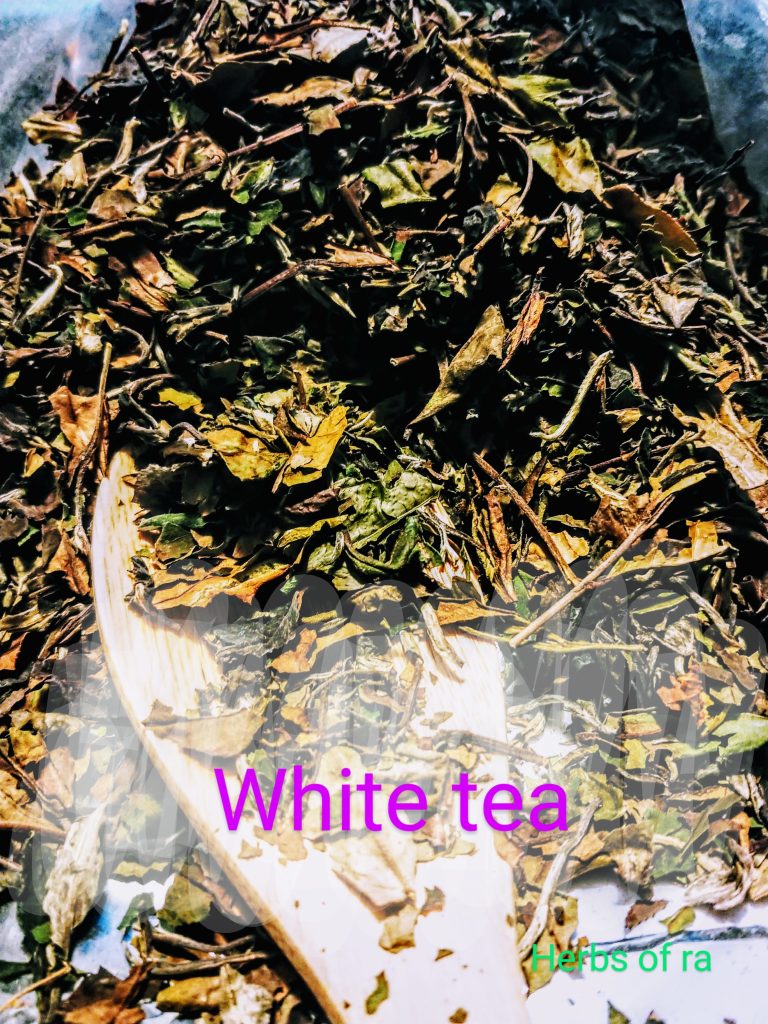
White tea is the opposite of flashy. It doesn’t scream. It nudges. And in gut biology, nudges beat nukes.
The Gut Problem You Actually Have
When people say “my gut is messed up,” they usually mean one (or more) of these:
- Their microbiome diversity got flattened (diet, stress, antibiotics, ultra-processed everything).
- Their intestinal barrier got leaky-ish (yes, real physiology; no, not a magical toxin portal).
- Low-grade inflammation is simmering, so digestion turns dramatic.
White tea doesn’t fix your life. But it can shift the internal ecosystem in a direction your body tends to like.
Personal Context Integration
If you’re here, you’re probably doing the modern ritual: cutting dairy, staring at ingredient lists, and wondering why your digestion is still unpredictable.
So you start asking a better question: what if “gut support” isn’t about adding more strains—what if it’s about feeding the ones you already have and calming the battlefield? That’s where white tea enters: not as a cure, but as a biochemical environment-shaper.
## 1) White Tea Polyphenols: Microbiome “Food” That Doesn’t Act Like Food 🦠
White tea comes from Camellia sinensis like green and black tea—difference is processing. White tea is the least processed, so it tends to retain a high load of tea polyphenols (including catechins like EGCG).
Here’s the part wellness blogs usually butcher: most tea polyphenols aren’t fully absorbed in your small intestine. They keep traveling—into the colon—where your microbes get a vote. That’s why researchers talk about tea compounds interacting with gut bacteria and their metabolites.
Practical implication: think of white tea less like “antioxidants for your blood” and more like compounds that reach the colon and pressure the ecosystem.
## 2) White Tea and Inflammation: The Evidence Is Strongest in Animal Models
Let’s be blunt: human clinical trials on white tea specifically for gut health are not abundant. The cleaner evidence comes from mechanistic work, broader tea research, and mouse models.
But the signal is interesting: a 2024 Food & Function study found stored white tea improved DSS-induced ulcerative colitis outcomes in mice, alongside changes in gut microbiota and intestinal metabolites. That’s not “your IBS is cured,” but it is a real inflammatory gut model showing microbiome-linked effects.
Mechanism angle (what’s plausible): tea polyphenols can alter microbial composition and microbial metabolites (including short-chain fatty acids in broader tea literature), which then feed into inflammation and barrier function.
## 3) Gut Barrier Support: EGCG Isn’t Just a Buzzword
If your gut lining is the castle wall, inflammation is the battering ram. Some tea components—especially EGCG—are being studied for barrier-stabilizing effects under inflammatory stress.
A 2025 paper in Frontiers in Pharmacology reports EGCG stabilized intestinal barrier function against cytokine-induced breakdown (in experimental settings). This matters because barrier integrity influences how strongly your immune system freaks out over normal gut contents.
And a 2025 review focused on EGCG and gut-health axes lays out how EGCG is metabolized, how it interacts with microbiota, and why those interactions can have downstream effects.
Practical implication: white tea is lower caffeine than many teas (often, not always), and still delivers catechins—so it’s one of the easier “daily driver” options for people whose guts don’t love刺激.
## 4) “Prebiotic” vs “Antimicrobial”: Tea Does Both (That’s Why It Works)
Here’s a grown-up concept: polyphenols can act like duplibiotics—they suppress certain microbes while feeding others. That’s not a contradiction; it’s ecosystem management.
So yes, tea catechins have antimicrobial activity in lab contexts. But the more important point is selective pressure—shifting the gut community, not sterilizing it.
Practical implication: if you drink white tea and eat like a feral raccoon (ultra-processed, low fiber), don’t expect miracles. Tea is a lever, not the whole machine.
## 5) How to Use White Tea for Gut Health Without Turning It Into a Religion ⚔️
- Drink it plain most of the time. Sugar turns your “gut health tea” into a dessert beverage.
- Steep gently (white tea is delicate; boiling water can make it bitter, which makes people add honey… which defeats the point).
- Consistency beats intensity. The microbiome responds to patterns, not one heroic cup.
If you’re sensitive, try it earlier in the day. If you’re caffeine-avoidant, look for lower-caffeine white tea options—but remember: caffeine content varies by leaf and brewing.
Strategic Quote or Proverb
“Medicine and food share the same origin.”
Ancient line, modern meaning: the border between “diet” and “biology” is fake. Your microbes treat what you drink as chemical instructions—white tea is just one more set of instructions, written in polyphenols.
Final Thoughts
- White tea’s gut benefits are plausible and biologically coherent: polyphenols reach the colon, microbes metabolize them, inflammation and barrier signaling can shift.
- The best white-tea-specific gut evidence is still largely animal/mechanistic, including colitis models—use your brain before you use your beliefs.
- If you want gut results, pair white tea with fiber and protein—because your microbiome doesn’t run on vibes. It runs on substrates.
References
- Stored white tea and colitis model (mouse): Food & Function (2024).
- Tea catechins ↔ gut microbiota review: (2019).
- Polyphenols and gut microbiota modulation (“duplibiotic” concept): (2021).
- EGCG and gut-health axis review: (2025).
- EGCG barrier protection (experimental): (2025).
— Herbs of Ra and Everything under the Sun🌿
Facebook.com/herbsofra
Instagram.com/herbs_of_ra
tiktok.com/@herbs_of_ra